Why Wearables Matter for Travelers
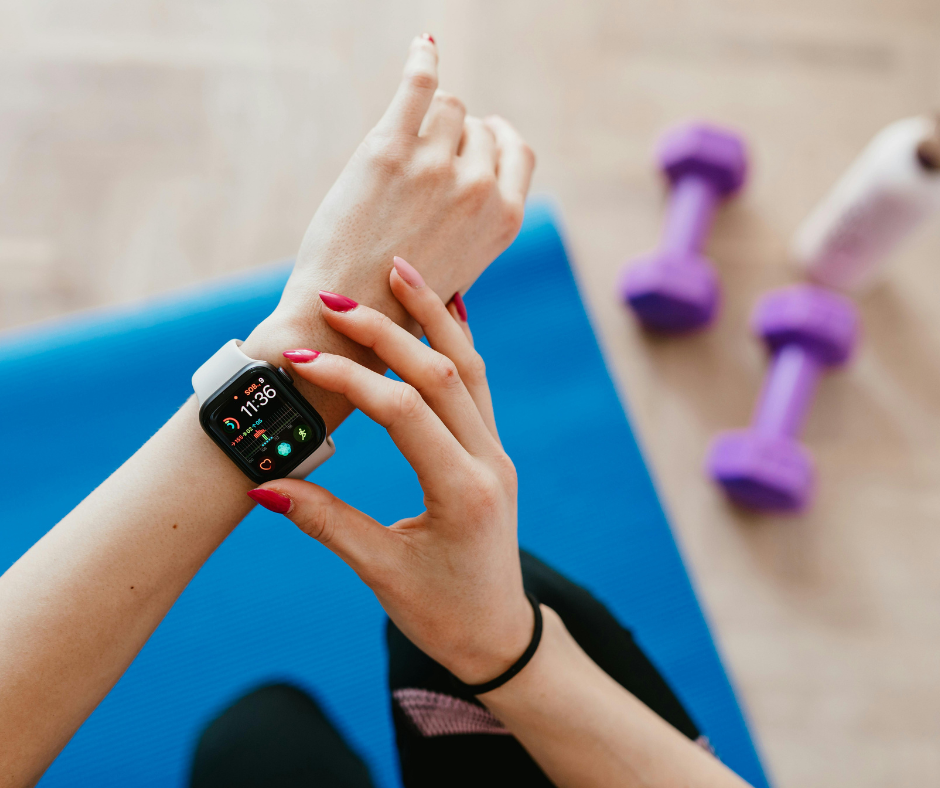
When you’re constantly on the move — airport layovers, hotel gyms, red-eyes, and timezone changes — your body doesn’t rest like it does at home. That’s where the right wearable becomes more than a fitness tool: it’s a travel performance companion. The best wearables help you monitor recovery, track sleep quality, optimize stress, and adapt your routine based on real data — no matter where you land.
In this post, we’ll cover top wearables that boost sleep, recovery, and movement, and how to use them to level up your healthy travel game.
Key Metrics Travelers Should Track
Before diving into devices, it’s helpful to understand the metrics you should care about while traveling:
HRV (Heart Rate Variability): A strong indicator of recovery and stress.
Sleep Stages: Deep, light, REM — to understand how well you’re actually resting.
Readiness / Recovery Scores: Combines multiple biometric signals to tell you if your body is ready for strain or needs rest.
Activity & Strain: Tracks exertion levels during workouts or travel days (see what levels these Hotel Athlete Hotel Gym Workouts bring on!).
Skin Temperature / Respiration: Helpful for detecting subtle signs of jet lag, illness, or fatigue.
Top Travel-Ready Wearables for Recovery, Sleep & Movement
Here are some of the best wearables for travelers who want to stay healthy and high-performing on the road:
Oura Ring (Smart Ring)
- Elegant, compact, and designed to be worn 24/7.
- Tracks >20 biometric signals — including sleep stages, HRV, temperature, and readiness.
- Long battery life (days), making it ideal for travel where charging options may be limited.
- No screen: less distraction, more comfort while sleeping or in meetings.
WHOOP Strap
- Designed specifically for recovery: gives daily “strain” and “recovery” scores.
- Continuous HRV monitoring helps you understand stress levels and when your body really needs rest.
- Lightweight and screen-free — great for long flights or minimal wrist clutter.
Garmin Smartwatches (e.g., Venu 3)
- Combines fitness tracking, sleep monitoring, and stress tracking in one wearable.
- Offers a “Body Battery” metric: estimates your energy reserves based on your previous activity, sleep, and stress.
- Long battery life (varies by model), reliable GPS, and strong build — helpful for both travel and training.
Pulsetto (Vagus Nerve Stimulation Wearable)
- A sleek wearable strap that stimulates the vagus nerve to promote relaxation, reduce stress, and improve sleep.
- Especially suited for travelers dealing with jet-lag, emotionally draining trips, or stressful schedules.
- Lightweight and compact — easy to pack, easy to use.
FlexBeam (Red / Near-Infrared Recovery Device)
- According to travel tech sources, this strap delivers red and near-infrared light therapy to promote circulation, reduce muscle soreness, and support recovery.
- Can be applied to areas like the back, shoulders, or knees — very practical for post-flight or post-meeting recovery.
- Rechargeable and travel-friendly.
How to Use Wearables to Maximize Travel Performance
Here are practical ways to leverage these devices on your trips:
Pre-Trip: Use the wearable to assess your “readiness” score before flying. If recovery is low, prioritize rest or reduce workout intensity.
In-Flight: If your device supports restful mode (like Oura or WHOOP), use it to track sleep or restful states. After the plane lands, review your sleep data to decide whether to move or rest.
Post-Flight / Hotel Recovery: Use HRV insights and readiness/recovery scores to determine your first workout or stretching session. For example, if your readiness is low, swap your training for mobility or recovery work (or a light walk).
Routine Adjustment: Use sleep analytics + skin temperature (in wearable) to tweak your sleep environment in hotel rooms — adjust AC, blackout settings, or bedtime habits.
Long-Term Trends: Review weekly recovery and stress trends as a “travel health dashboard” to catch early signs of burnout, immune issues, or overtraining.
Risks & Limitations to Consider
Subscription Costs: Devices like WHOOP often require a monthly membership to unlock recovery data.
Data Accuracy: Wearables estimate biometrics — they are not medical devices. Use the data to inform decisions, not diagnose.
Privacy & Security: Wearables collect sensitive health data. Make sure to use secure apps and understand what data is stored or shared.
Battery Dependency: Frequent travelers need to plan for recharging — especially for rings or devices without long battery spans.
Why This Matters for the Hotel Athlete
Integrating wearables into your travel wellness strategy helps you:
Make Smarter Decisions: Data-driven insights help you know when to push and when to recover.
Build Sustainable Habits: Wearable feedback reinforces travel-friendly routines for sleep, training, and rest.
Be Proactive About Burnout: HRV + recovery trends alert you before travel stress becomes physical fatigue.
Optimize Performance: Whether working or working out on the road, you’ll know how your body is truly doing. gym—but it must offer enough to support meaningful strength sessions.
Level Up Your Travel Wellness With the Right Wearable
If you’re a frequent traveler, a smart wearable isn’t a gimmick — it’s your feedback loop. By measuring what actually matters (sleep, stress, recovery), you can travel strong, perform consistently, and recover effectively.
Pro Tip (Hotel Athlete): Choose a wearable that fits your travel style — minimal charging needs, accurate recovery insights, and comfort while sleeping or training. Then, build your travel wellness plan around the insights you get. A Hotel Athlete Travel Accountability Coach can also use those insights to help you develop your own strategic healthy travel plan.
Favorite wearable that gets you results on the road? Drop your thoughts to our Hotel Athlete community in the LOUNGE, or onLinkedIn, Instagram, Facebook, or YouTube!