How to Choose the Right Training Environment While Traveling
One of the most common questions travelers face is:
Should I use the hotel gym—or find a commercial gym nearby?
At first glance, the answer seems simple.
But the real decision comes down to something deeper:
Does the environment match your plan?
This guide will help you make the right call by breaking down the pros, limitations, and best use cases for both options—so you can stay consistent, not reactive, while traveling.
The Real Goal: Alignment, Not Preference
Most people choose a gym based on convenience or familiarity.
But when you’re traveling, the better question is:
“Which option allows me to execute my plan most effectively?”
This shift—from preference to alignment—is what separates consistency from frustration.
The Case for Hotel Gyms
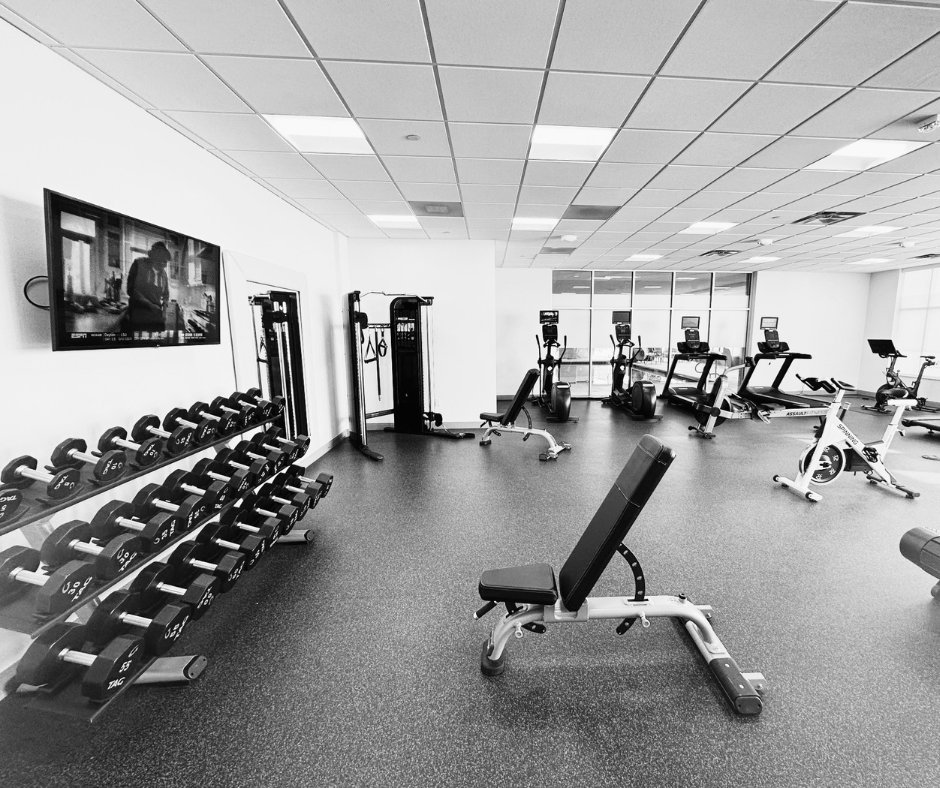
Hotel gyms are the most accessible and commonly used option while traveling.
Advantages of Hotel Gyms
1. Convenience and Time Efficiency
- located within your hotel
- no commute required
- easy to fit into tight schedules
This makes them ideal for:
- early morning workouts
- short time windows
- unpredictable schedules
2. Lower Friction = Higher Consistency
The easier it is to start, the more likely you are to follow through.
Even a 10–15 minute workout becomes realistic when the gym is just an elevator ride away.
3. Ideal for Maintenance Work
Hotel gyms are well-suited for:
- bodyweight training
- light to moderate strength work
- short cardio sessions
Limitations of Hotel Gyms
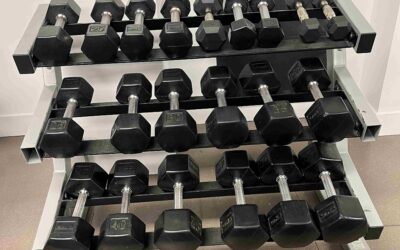
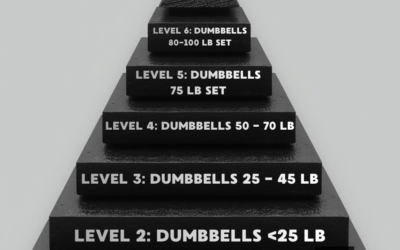
- limited dumbbell weight ranges
- fewer machines or specialty equipment
- inconsistent layouts between locations
When a Hotel Gym Is the Right Choice
Use the hotel gym when:
- your schedule is tight
- your workout is short or flexible
- your goal is consistency over intensity
The Case for Commercial Gyms While Traveling
A gym day pass while traveling can open up more training options—but comes with trade-offs.
Advantages of Commercial Gyms
1. Access to Full Equipment
- heavier dumbbells and barbells
- squat racks and platforms
- full range of machines
This allows for:
- strength-focused sessions
- structured training programs
- higher training intensity
2. More Predictable Setup
Unlike hotel gyms, commercial gyms typically offer:
- consistent equipment availability
- standardized layouts
- reliable training conditions
3. Better for Performance-Focused Days
If your goal is to:
- push heavier loads
- follow a structured strength plan
- maintain high performance
A commercial gym may be the better option.
Limitations of Commercial Gyms
- travel time to and from the gym
- cost of day passes
- added planning and logistics
When a Commercial Gym Makes Sense
Consider leaving the property when:
- your workout requires specific equipment
- you have adequate time in your schedule
- your training goal demands higher intensity
The Decision Framework: Ask These 3 Questions
Before choosing your training location, ask:
1. What Is My Goal Today?
- quick maintenance session → hotel gym
- high-performance strength day → commercial gym
2. How Much Time Do I Actually Have?
- limited time → stay on property
- flexible schedule → consider options
3. What Equipment Do I Need?
- minimal or adaptable → hotel gym
- specific or heavy → commercial gym
The Key Insight
The “best” gym is the one that allows you to execute your plan without friction.
Real-World Scenarios
Scenario 1: Tight Schedule, Early Meeting
- 20 minutes available
- no commute time
Best choice: hotel gym or hotel room workout
Scenario 2: Dedicated Training Day
- 60–75 minutes available
- strength-focused program
Best choice: commercial gym
Scenario 3: Unpredictable Travel Day
- delays, shifting schedule
- low energy
Best choice: simple hotel gym session
Common Mistakes to Avoid
- overvaluing “perfect” gyms over consistency
- skipping workouts because the setup isn’t ideal
- underestimating travel time to commercial gyms (and setup / waivers)
- not having a backup plan
The Hotel Athlete Approach
This decision isn’t about choosing one over the other.
It’s about using both strategically.
Perform
Train in the environment that fits your plan.
Reflect
Evaluate how the environment supported—or limited—your workout.
Optimize
Adjust future decisions based on experience.
Fuel
Support your training with proper recovery and nutrition.
The Result
Instead of forcing your plan into the wrong environment,
you align your environment with your plan.
The Bottom Line
The question isn’t:
“Is a hotel gym good enough?”
The question is:
“Does this environment allow me to execute effectively today?”
When you make decisions based on alignment, not convenience or perfection:
- consistency improves
- frustration decreases
- results become sustainable
Take Action on Your Next Trip
Before your next travel workout, decide:
- what your goal is
- how much time you have
- what equipment you need
Then choose the environment that matches.
Explore our Hotel Gym Database to find verified hotel gyms with the equipment you need for your travel workouts.
Check out our PROF Learning Center for more detail and depth into building a travel fitness system.
What is your trigger point for leaving the hotel campus to check out an offsite gym? Drop your thoughts to our Hotel Athlete community in the LOUNGE, or on LinkedIn, Instagram, Facebook, or YouTube!