Business travel doesn’t just tax the body—it challenges the brain
Jet lag is often framed as a physical issue: poor sleep, fatigue, stiffness, and low energy. But beneath the surface, travel fatigue is just as much a mental performance problem. Disrupted circadian rhythms affect focus, emotional regulation, decision-making, and stress tolerance—key traits Hotel Athletes rely on to perform at a high level on the road.
The goal isn’t just to “get through” travel days. It’s to adapt faster, regain clarity sooner, and return to flow state despite changing time zones and environments.
This article explores how travelers can train their brains for resilience—using neuroscience-backed strategies used by elite performers who travel for a living.
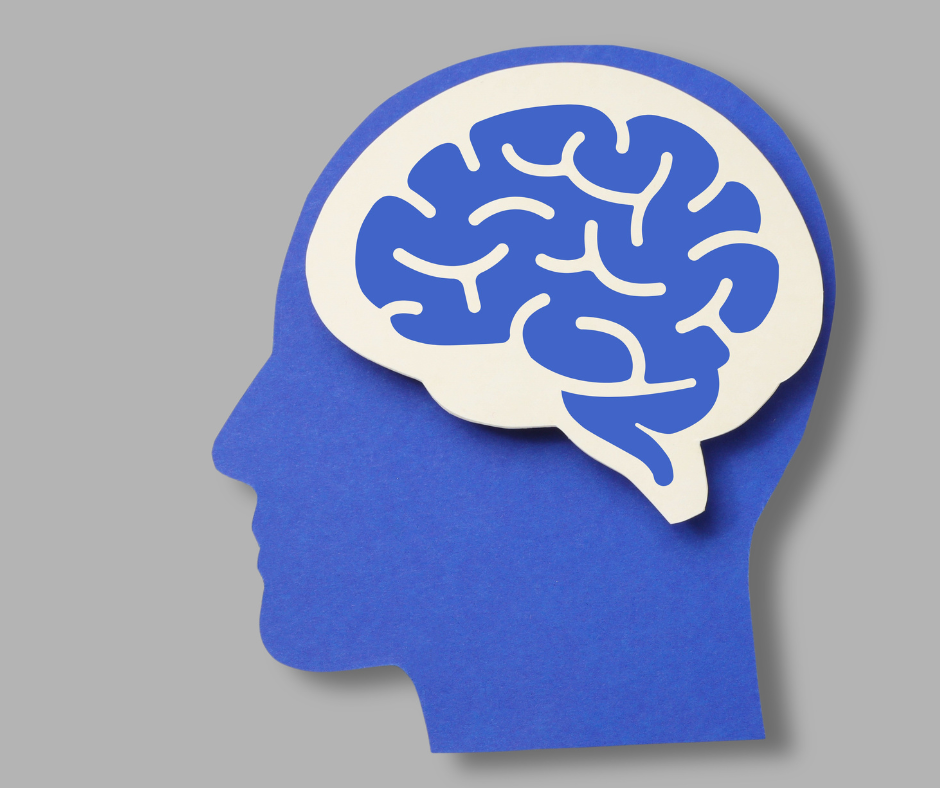
Why Travel Fatigue Impacts Mental Clarity and Emotional Regulation
Your brain operates on rhythm.
Circadian rhythms regulate:
- Sleep–wake cycles
- Hormone release (cortisol, melatonin)
- Cognitive sharpness
- Emotional stability
When you cross time zones, sit for long periods, eat at irregular times, and expose yourself to artificial light, these systems become misaligned.
The result?
- Slower reaction times
- Increased irritability
- Reduced executive function
- Lower stress tolerance
This is why jet lag often shows up as brain fog, poor focus, and emotional volatility, not just tiredness.
For Hotel Athletes, this isn’t just uncomfortable—it’s a performance liability.
The Concept of Travel Resilience
Travel resilience is the ability to:
- Adapt quickly to environmental changes
- Maintain clarity under fatigue
- Regulate stress responses
- Restore mental energy efficiently
Elite travelers—executives, professional athletes, pilots, and military operators—don’t avoid travel stress. They train for it.
Their advantage comes from understanding that recovery and performance are not reactive—they’re planned.
Creating Pre-Flight and Post-Flight Recovery Windows
Instead of hoping you’ll “feel normal” after landing, create intentional recovery windows around travel.
Pre-Flight: Set the Conditions
24–48 hours before travel:
- Gradually shift sleep and meal timing toward destination time
- Prioritize hydration and protein intake
- Reduce late-night screen exposure
- Lower training intensity (don’t chase fatigue)
This prepares the nervous system for disruption instead of compounding stress.
Post-Flight: Control the First 24 Hours
The first day sets the tone for the entire trip.
Focus on:
- Light exposure aligned with destination time
- Low-intensity movement to restore circulation
- Structured meals even if appetite is off
- Short focus blocks, not marathon work sessions
Think stabilization before optimization.
Practical Tools to Rewire Your Brain Faster
1. Light Exposure as a Reset Button
Light is the strongest driver of circadian rhythm.
- Morning light = earlier sleep onset
- Evening light = delayed sleep
- Outdoor light > indoor lighting
A short outdoor walk upon arrival can dramatically improve adaptation speed.
Check out our article on how sunlight benefits the Hotel Athlete.
2. Movement as a Cognitive Primer
Movement isn’t just physical—it’s neurological.
Simple cues:
- 5–10 minutes of walking
- Mobility flows in the hotel room
- Light resistance or isometrics
These signal safety to the nervous system, reducing stress hormones and improving focus.
3. Mindset Reframing
Elite performers don’t label fatigue as failure—they label it as input.
Reframe travel stress as:
- “This is adaptation, not decline”
- “Temporary disruption, permanent capability”
- “I don’t need to feel perfect to perform well”
Language shapes stress response.
Mental Conditioning Lessons from Elite Travelers
Executives
- Time-block recovery like meetings
- Use transition rituals between environments
- Focus on decision quality, not output volume
Athletes
- Respect recovery as training
- Train adaptability, not comfort
- Use movement to regulate emotion
Pilots
- Operate on checklists, not feelings
- Control what’s controllable
- Prioritize sleep hygiene ruthlessly
The common thread: systems over willpower.
From Jet Lag to Flow State
Flow state doesn’t require perfect conditions.
It requires clarity, regulation, and intent.
When Hotel Athletes understand how travel affects the brain—and plan accordingly—travel becomes less draining and more predictable. Focus returns faster. Stress feels manageable. Performance stabilizes.
Train Your Travel Performance
If you’re serious about performing better on the road—not just surviving it—this is where coaching makes the difference.
Hotel Athlete Travel Accountability Coaching helps you:
- Build personalized pre- and post-travel routines
- Optimize training, recovery, and mental clarity
- Create systems that travel with you
- Stay accountable when routines disappear
👉 Apply for a Travel Accountability Coaching session and start turning travel stress into a competitive advantage.
What strategies do you use during travel to get back quickly your clarity and edge? Drop your thoughts to our Hotel Athlete community in the LOUNGE, or on LinkedIn, Instagram, Facebook, or YouTube!