A Hotel Athlete Guide to Staying Aligned, Energized, and Healthy on the Road
Crossing time zones can disrupt even the most disciplined traveler. Early mornings feel impossible, late nights feel restless, concentration dips, workouts feel heavier, and hunger cues get thrown off. For Hotel Athletes—travelers committed to staying healthy, strong, and consistent—jet lag isn’t just an inconvenience. It’s a performance barrier. Resetting your body clock quickly is the difference between dragging through your trip… and showing up energized, focused, and grounded.
This guide gives you the most effective, research-supported strategies to rapidly adjust your circadian rhythm so you can perform at your best—whether you’re on a red-eye for business, hopping between time zones for conferences, or traveling internationally.
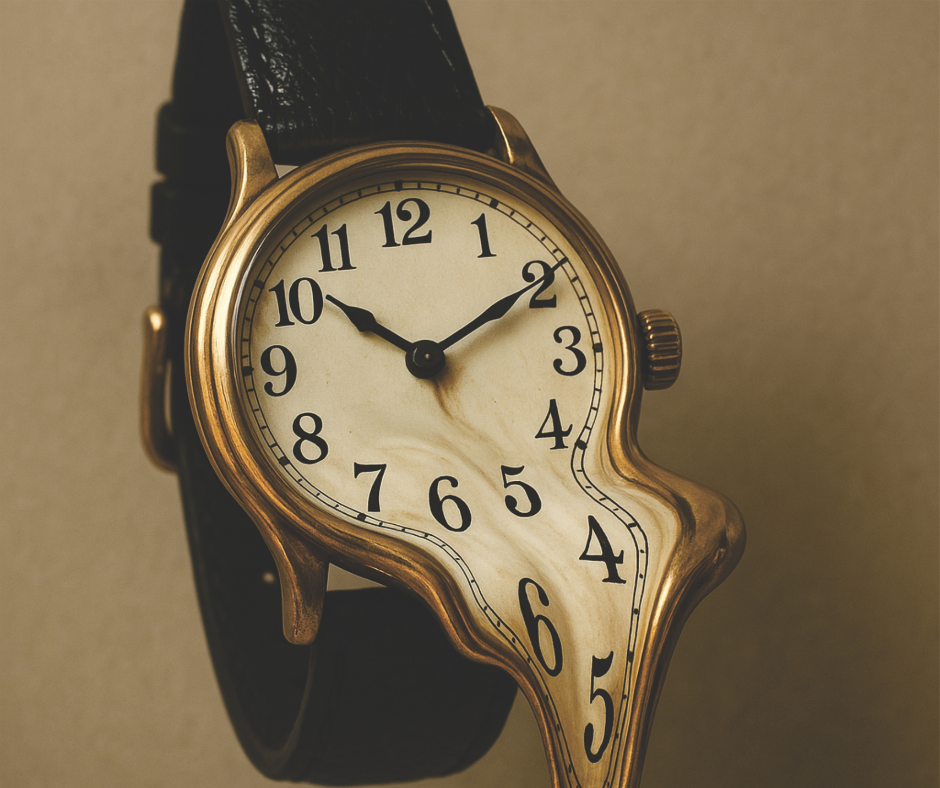
Why Jet Lag Happens (and Why It’s More Than Just Fatigue)
Your body runs on a 24-hour internal rhythm—your circadian clock. It regulates:
- Sleep/wake cycles
- Hormones
- Appetite
- Digestion
- Mental focus
- Physical energy
- Workout readiness
When you suddenly shift time zones, your body hasn’t caught up yet.
It’s still “on home time.”
This internal mismatch creates the classic symptoms:
- Difficulty falling or staying asleep
- Early waking
- Brain fog
- Digestive disruption
- Mood fluctuations
- Decreased strength + workout performance
This isn’t just relevant to overseas trips. Going a couple of hours the other way is all it takes to evoke disruption!
The goal of a Hotel Athlete is to intentionally realign the body clock as quickly as possible—so your trip feels smooth, productive, and physically dialed in.
The 3 Most Powerful Tools to Reset Your Body Clock
No matter where you travel, these three tools control your circadian rhythm more than anything else:
1. Light Exposure
Your brain’s #1 timekeeper.
Natural sunlight tells your body when to wake up and when to wind down.
2. Movement
Training, walking, or even light mobility signals the body to “start the day.”
3. Nutrition + Meal Timing
When you eat influences your internal clock just as much as what you eat.
Master these, and you can shift your body clock by 1–2 hours per day.
Morning Strategy: Reset Fast with Light + Movement
✓ Get sunlight within 30 minutes of waking (even in a new time zone)
This is the most potent circadian-reset tool on earth.
Go outside for 5–10 minutes.
If it’s cloudy—still works.
If it’s dark—use bright indoor lighting until the sun is up.
Why it works:
Sunlight suppresses melatonin and elevates cortisol naturally (the good kind), signaling alertness and promoting alignment with the new time zone.
✓ Move your body early—even for 10 minutes
You don’t need a full workout.
A Hotel Athlete micro-session works perfectly:
- Light jog or incline walk
- Hotel Athlete mobility sequence
- Bodyweight strength flow
- Hotel gym workout if time allows
Movement reinforces your brain’s “this is morning” signal, sharpening focus and combating travel grogginess.
✓ Hydrate immediately
Flights dehydrate you by 20–30%.
Dehydration worsens jet lag, crankiness, and brain fog.
Add electrolytes if possible.
Midday Strategy: Anchor Your New Time Zone
✓ Time your first full meal with the local schedule
Your digestive system has its own clock.
Eating at local mealtimes rapidly pulls other rhythms into alignment.
Aim for:
- Protein
- Fiber
- Healthy fats
- Moderate carbs
Avoid extremely heavy meals—your digestion is still recalibrating.
✓ Get at least 10 minutes of midday light
This strengthens the daytime alertness cycle and prevents the “afternoon crash” that hits travelers hard.
✓ Avoid long naps
If needed:
20–30 minutes max, before 3 PM local time.
Longer naps confuse your circadian rhythm.
Evening Strategy: Create a Fast Nighttime Reset
✓ Dim lights 1–2 hours before bed
Your brain is extremely sensitive to evening lighting.
Lower light = higher melatonin = easier sleep onset.
✓ Avoid screens or use blue-light filters
A few simple rules:
- Turn your phone brightness all the way down
- Enable Night Shift / warm mode
- Avoid stimulating content (work emails, news, fast-scrolling)
✓ Keep dinner earlier and lighter
Large, late meals push your circadian rhythm backward.
Choose:
- Lean proteins
- Veg + whole foods
- Avoid heavy fried meals and large desserts right before bed
✓ Breathwork for nervous system down-regulation
Try:
Inhale 4 → Exhale 6–8
Repeat 5–10 rounds.
This activates your parasympathetic (“rest”) response, perfect for travel stress.
How Hotel Athletes Handle Long-Haul Flights
On the plane:
- Hydrate consistently
- Stand up or stretch every 90 minutes
- Avoid alcohol (delays melatonin release)
- Keep meals light
During the flight:
Adjust your watch to the destination time before you land.
Begin mentally (and when you can, behaviorally) operating on the new schedule.
Immediately upon landing:
If it’s morning → sunlight + movement
If it’s evening → dim light + minimal food + early sleep attempt
When to Use Caffeine (and When Not To)
Correct caffeine timing can accelerate your adjustment.
Use caffeine strategically:
✔️ Between 9 AM and 2 PM in the new time zone
✔️ Before a workout to boost energy
✔️ During your first morning in-destination
Avoid caffeine:
✘ Within 8 hours of your planned bedtime
✘ Overnight flights when you hope to sleep
✘ As a replacement for hydration
Caffeine is a tool—not a coping mechanism.
How to Adjust Your Workouts After Time Zone Travel
Your body may feel slightly off for 24–48 hours.
Modify accordingly:
Good workouts for day 1–2:
- Light strength (unilateral focus)
- Mobility + core
- Low-intensity cardio
- Walks + incline treadmill
- Eccentric work for muscle activation
Avoid early in the trip:
- Max effort lifts
- High-volume legs
- High-intensity intervals
- Heavy late-night training
After your body clock resets, resume your normal Hotel Athlete program.
Supplements That Actually Help (Optional)
Not required, but evidence-supported tools:
- Melatonin (0.5–3mg, used short-term only)
- Magnesium glycinate (sleep quality)
- Electrolytes (hydration)
- Ashwagandha or L-theanine (nervous system calming)
Keep supplements simple—your circadian rhythm responds best to behavior, not pills. Check out our full article on supplements and vitamins for the Hotel Athlete.
You Can Control Your Body Clock More Than You Think
Resetting your circadian rhythm is a skill every Hotel Athlete must master.
With the right strategy, you can dramatically reduce jet lag and maintain your health, energy, and performance on any trip.
Just remember the fundamentals:
✔️ Morning light
✔️ Early movement
✔️ Hydrate + eat on local time
✔️ Limit evening light
✔️ Manage caffeine
✔️ Smart workout adjustments
When your body clock is aligned, everything else clicks—your focus, workouts, sleep, mood, and productivity.
You travel better.
You train better.
You feel better.
Is jet lag one of your obstacles to obliterate when traveling? Drop your thoughts to our Hotel Athlete community in the LOUNGE, or onLinkedIn, Instagram, Facebook, or YouTube!