Short, Intentional Movement Sessions That Keep You Moving Well on the Road
Travel disrupts more than sleep and nutrition—it quietly stiffens joints, shortens muscles, and limits the movement quality that most people take for granted at home. Long flights, hours in meetings, rental cars, and unfamiliar beds all compound to leave travelers feeling tight, sore, and sluggish. The good news? Recovery doesn’t require a full gym session. For Hotel Athletes, short, intentional mobility workouts built into travel downtime can have a powerful impact on both physical performance and mental clarity.
Why Mobility Matters More When You’re Traveling
When you’re home, movement variety is baked into your day—walking more, changing positions, training consistently, or even just moving through familiar spaces. Travel removes many of those natural inputs.
Common travel stressors include:
- Prolonged sitting on planes, in cars, and during meetings
- Reduced access to full training facilities
- Limited warm-up and cooldown opportunities
- Poor sleep positions and unfamiliar beds
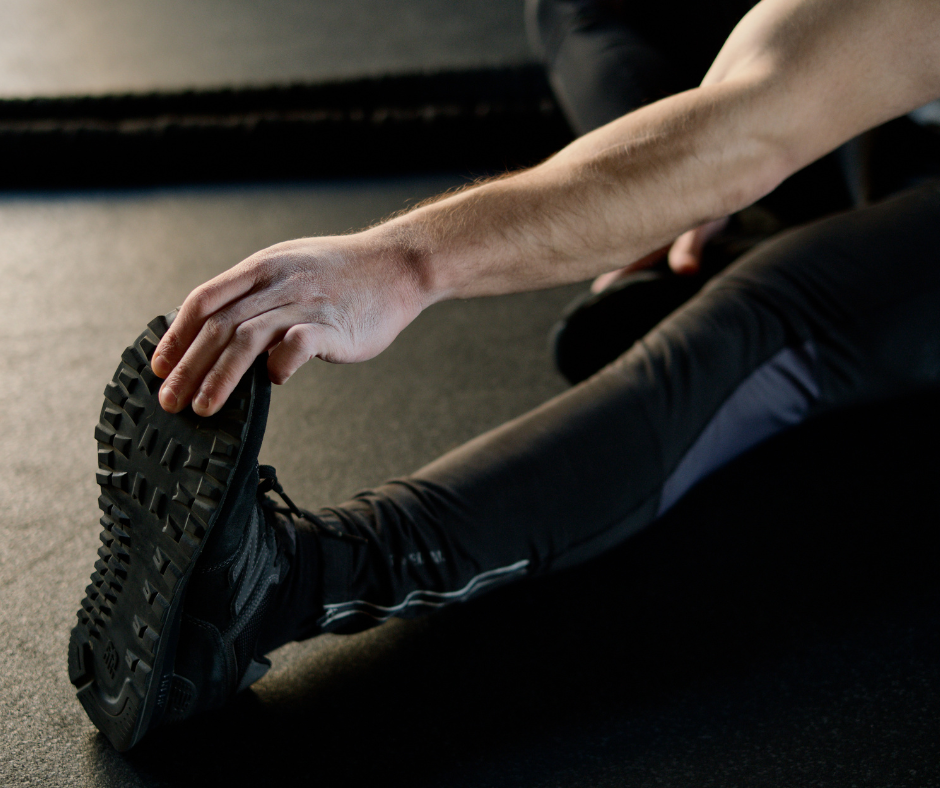
Mobility sessions act as a reset button for your joints and nervous system, helping counteract stiffness before it turns into soreness or pain. Even 10 minutes of focused movement can restore joint range of motion, improve circulation, and accelerate recovery.
Why Travel Is the Perfect Time to Prioritize Mobility
Ironically, travel is often when mobility work gets skipped—yet it’s also when it fits best.
At home, training priorities tend to revolve around:
- Strength and conditioning
- Performance metrics and progressive overload
- Time efficiency and structured programming
On the road, those demands shift. You may not have access to heavy weights or familiar equipment, but you do have:
- Short windows of downtime in hotel rooms
- Gaps between meetings or flights
- Mornings or evenings that are otherwise sedentary
Travel creates space to focus on mobility routines you often neglect at home, helping you move better without adding fatigue.
How Mobility Training During Travel Improves Work Performance
Mobility work isn’t just about flexibility—it directly supports focus, energy, posture, and stress management, all of which matter when you’re traveling for work.
Short mobility sessions during travel weeks help:
- Increase blood flow and oxygen delivery to the brain
- Improve breathing mechanics and posture
- Reduce nervous system stress caused by prolonged sitting
- Decrease physical discomfort that distracts from meetings
Tight hips, restricted thoracic mobility, and shallow breathing all contribute to mental fatigue. Mobility training helps reset your body position and nervous system, making it easier to stay present, communicate clearly, and maintain energy throughout demanding workdays.
For Hotel Athletes, mobility becomes a professional performance tool, not just a recovery strategy.
The Long-Term Benefits of Consistent Mobility Work
Short mobility sessions don’t just make you feel better today—they accumulate meaningful long-term benefits.
Consistent mobility training helps:
- Maintain joint range of motion as you age
- Reduce injury risk during strength and conditioning
- Improve posture and movement efficiency
- Support recovery between workouts
- Enhance sleep quality and stress resilience
For frequent travelers, mobility is not optional—it’s a longevity investment.
10-Minute Mobility & Recovery Routines for Travelers
Each routine below requires no equipment, fits easily into a hotel room or public space, and can be done in travel attire.
Routine 1: Full-Body Reset (After Flights or Long Travel Days)
Focus: Spine, hips, shoulders, breathing
- Crocodile or Supine Breathing – 2 minutes
- Cat–Cow Spinal Flow – 1 minute
- World’s Greatest Stretch – 2 minutes
- Half-Kneeling Hip Flexor Stretch – 2 minutes
- Seated Thoracic Rotations – 2 minutes
- Neck Controlled Rotations – 1 minute
Best for: Evening recovery or morning resets after travel.
Routine 2: Lower-Body Mobility for Walking & Training Days
Focus: Ankles, hips, hamstrings
- Ankle Dorsiflexion Rocks – 2 minutes
- 90/90 Hip Rotations – 2 minutes
- Hamstring Walkouts – 2 minutes
- Deep Squat Hold with Breathing – 2 minutes
- Glute Bridge Iso Hold – 2 minutes
Best for: Before workouts or after long days on your feet.
Routine 3: Upper-Body Mobility for Desk & Screen Time
Focus: Shoulders, neck, thoracic spine
- Wall Slides – 2 minutes
- Scap Push-Ups – 2 minutes
- Thread-the-Needle Stretch – 2 minutes
- Chest Opener Stretch – 2 minutes
- Neck Side-Bend & Rotation Holds – 2 minutes
Best for: Post-meeting recovery or evening wind-downs.
10-Minute Airport Mobility Routine (Discreet & Travel-Friendly)
Designed for layovers and boarding areas, this routine avoids floor work and exaggerated movements, making it ideal for public spaces.
Focus: Circulation, posture, joint stiffness
- Seated Breathing Reset – 2 minutes
Slow nasal breathing with long exhales. - Seated Thoracic Rotations – 2 minutes
Gentle torso rotations while seated. - Seated Hip Rotations – 2 minutes
Subtle knee-in/knee-out movements. - Standing Calf & Ankle Rocks – 2 minutes
Shift weight forward and back while standing. - Neck Mobility Series – 2 minutes
Slow head turns and side bends.
Why it works:
This routine improves circulation, reduces stiffness before boarding, and helps maintain energy—without drawing attention or requiring special space.
How to Make Mobility a Consistent Travel Habit
The key isn’t intensity—it’s consistency.
To build the habit:
- Anchor mobility sessions to daily routines (wake-up, pre-bed, layovers)
- Keep sessions short and repeatable
- Focus on controlled movement and breathing
- Use travel as an opportunity to build habits you’ll keep at home
Move Better So You Can Travel Better
Travel doesn’t have to leave you stiff, sore, or drained. With just 10 minutes of focused mobility work, you can protect your joints, sharpen your mind, and support long-term performance—no gym required.
Mobility workouts aren’t a compromise.
They’re a strategic advantage for Hotel Athletes who want to move well, work better, and travel stronger.
Need support building in these mobility sessions, or with other fitness and nutrition components that challenge you when traveling? Get in touch with a Travel Accountability Coach today (think personal trainer and nutrition coach deeply versed in the obstacles of travel)!
What are your favorite road mobility movements, and what are your key times to deploy them? Drop your thoughts to our Hotel Athlete community in the LOUNGE, or onLinkedIn, Instagram, Facebook, or YouTube!