
PROF Learning Center
Module 9: Travel Nutrition Systems
Fuel for Performance—Anywhere You Go
Travel doesn’t break nutrition—lack of a system does.
Between airports, meetings, restaurants, and long days, it’s easy to fall into a pattern of convenience-based eating. But with the right approach, you can maintain energy, support your training, and stay consistent no matter where you go.
This module teaches you how to:
• understand your calorie needs
• build a flexible travel nutrition plan
• make better decisions in real-world environments
• reduce friction and decision fatigue while traveling
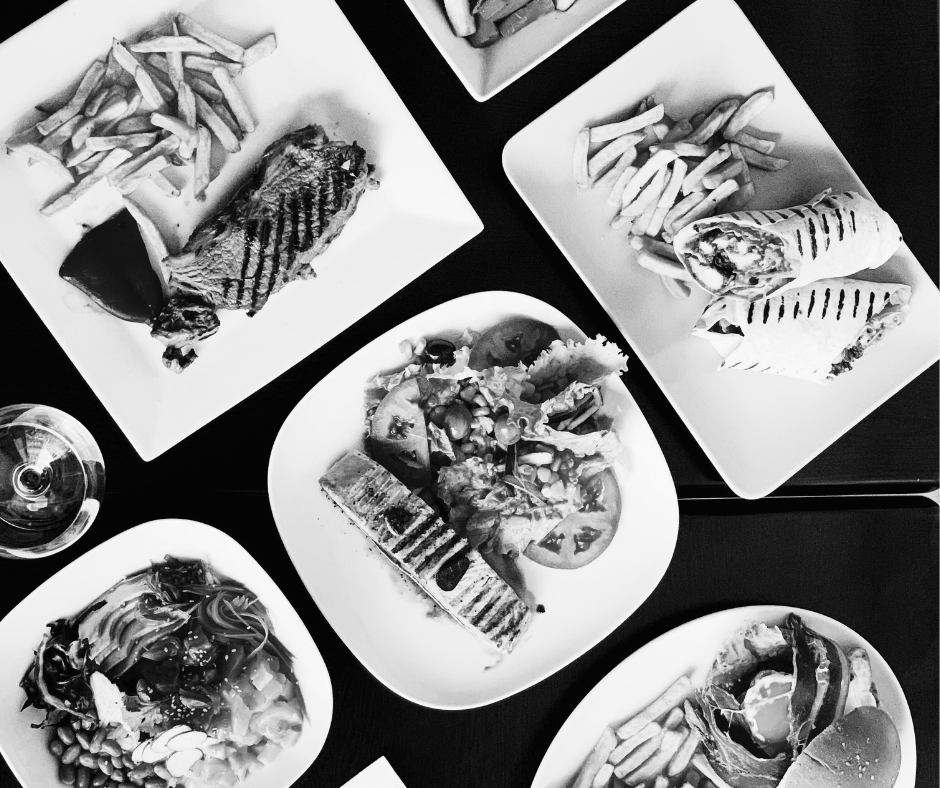
Section 1 — Fuel Is More Than Food
When most people think about nutrition, they think about meals.
But as a traveler, your fuel includes more than just food:
• hydration
• sleep quality
• recovery support
• energy management
Food is the foundation—but how you fuel your day as a whole determines how you perform.
A missed meal, poor hydration, or low-quality sleep can all lead to the same outcome:
Low energy, poor decisions, and inconsistent habits.
The goal is not just to eat well—it’s to stay fueled consistently throughout the day.

Reflection
Think about your last travel day.
• When did your energy drop?
• Was it due to food, hydration, or fatigue?
Homework
On your next trip, track:
• energy levels (morning, midday, evening)
• meals and snacks
• hydration
Look for patterns.
Section 2 — Understanding Your Calorie Needs
If you want to stay consistent with your nutrition, you need a baseline.
That baseline is your daily calorie needs.
The most widely used method for estimating this is the Mifflin-St Jeor equation, which calculates your maintenance calories based on:
• weight
• height
• age
• activity level
Females: (10*weight [kg]) + (6.25*height [cm]) – (5*age [years]) – 161
Males: (10*weight [kg]) + (6.25*height [cm]) – (5*age [years]) + 5
A scale factor must then be used to determine an accurate portrayal of maintenance calories.
If you travel less than 50%, you should consider your activity levels while at home using the following:
-Sedentary *1.2
-Lightly active *1.375
-Moderately active *1.55
-Active *1.725
-Very active *1.9
If you travel 50%+, consider your activity levels while traveling to weigh more utilizing the following:
–Low Movement Travel Week (Mostly sitting during travel days and meetings. Little intentional exercise. [ex. long flights, conferences, minimal walking]) *1.2
-Light Movement Travel Week (Some walking and occasional workouts.[ex. hotel gym once or twice, walking between meetings, airport walking]) *1.35
-Active Travel Week (Consistent movement with structured workouts. [ex. 3-4 workouts during travel week, regular walking, some strength training]) *1.55
-Performance Travel Week (Training remains a priority even while traveling. [ex. daily workouts or training, strength workouts, running or outdoor sessions]) *1.7
-High Output Travel Week (Very high activity even during travel. [ex. multiple training sessions, physical job duties, high step counts plus workouts]) *1.9
Once you know your maintenance level, you can adjust based on your goals:
• Fat loss: aim for a small deficit (300–500 calories)
• Maintenance: stay near your baseline
• Muscle gain: small surplus (200–300 calories)
When traveling, the goal isn’t aggressive dieting—it’s controlled consistency.
If you stay within a reasonable range, you’ll maintain progress without added stress.
Reflection
Do you currently:
A. Undereat during travel
B. Overeat during travel
C. Have no structure
Homework
Manually estimate your calorie needs using:
• weight
• height
• age
• activity level
Double check with the calculation below.
Tool
Use the following Hotel Athlete travel calories determination tool:
Section 3 — Building a Simple Travel Meal Structure
Once you know your daily calorie target, the next step is simple:
Decide how to divide those calories across your day.
This is where most travelers get stuck—not because it’s complicated, but because it’s undefined.
A clear structure helps you:
• avoid skipping meals
• prevent overeating later
• make faster decisions in real environments
• stay consistent without tracking everything
Below are proven travel meal structures, with exact percentage breakdowns you can follow immediately.
Step 1: Choose Your Meal Structure
Your structure should match your schedule, not perfection.
The Hotel Athlete system supports:
• 2 meals
• 2 meals + snacks
• 3 meals
• 3 meals + snacks
• frequent small meals
Step 2: Apply a Calorie Distribution
Once you choose your structure, use the following percentage frameworks.
Option 1: 2 Meals Per Day
Best for:
• long travel days
• compressed schedules
• intermittent fasting preference
Recommended Split:
• Meal 1 → 45–50%
• Meal 2 → 50–55%
This keeps meals large enough to:
• maintain energy
• support training
• reduce the need for constant snacking
Option 2: 2 Meals + Snacks
Best for:
• travel days with gaps between meals
• preventing energy crashes
Recommended Split:
• Meal 1 → 35–40%
• Meal 2 → 35–40%
• Snacks (total) → 20–30%
From there, divide snacks based on preference:
• 1 snack → full 20–30%
• 2 snacks → split evenly
• 3 snacks → smaller portions throughout the day
This structure is highly effective for energy management during travel days.
Option 3: 3 Meals Per Day
Best for:
• structured schedules
• consistent daily routines
Recommended Split:
• Breakfast → 25–30%
• Lunch → 35–40%
• Dinner → 30–35%
This slightly favors lunch to support:
• mid-day energy
• performance
• avoiding afternoon crashes
Option 4: 3 Meals + Snacks
Best for:
• active travelers
• long days with workouts
• higher calorie needs
Recommended Split:
• Breakfast → 25%
• Lunch → 30–35%
• Dinner → 25–30%
• Snacks (total) → 15–20%
Snack breakdown:
• 1 snack → full allocation
• 2 snacks → split evenly
This is one of the most balanced and sustainable travel structures.
Option 5: Frequent Small Meals (4–6 Meals)
Best for:
• those who prefer consistent fueling
• long days with unpredictable timing
• managing hunger more tightly
Recommended Split:
If 4 meals:
• 25% each
If 5 meals:
• 20% each
If 6 meals:
• ~15–17% each
This approach works well when:
• you have access to food throughout the day
• you prefer smaller portions
• you want steady energy levels
Should You Weight Meals at Certain Times?
In most travel situations, consistency matters more than perfect timing.
However, a few simple guidelines can help:
• Larger meals earlier in the day can support energy and decision-making
• Undereating early often leads to overeating later
• If training, prioritize a meal within a few hours before or after
But don’t overcomplicate it.
The goal is to follow a structure you can repeat, not optimize every detail.
How to Use This in Real Life
Let’s say your daily target is 2,400 calories and you choose:
3 meals + 1 snack
Your breakdown would look like:
• Breakfast → ~600 calories
• Lunch → ~800 calories
• Dinner → ~700 calories
• Snack → ~300 calories
Now, instead of guessing all day, you have:
✔ a clear target per meal
✔ flexibility within each meal
✔ a system you can follow anywhere
Why This Matters for Travel
When your meals are unstructured, decisions become reactive:
• skipping meals
• grabbing whatever is available
• overeating at night
When your meals are structured:
• decisions become faster
• portions become more consistent
• energy becomes more stable
This is how you stay consistent without tracking every calorie.
Hotel Athlete Nutrition Tools
If this feels like a lot to calculate manually—that’s exactly why our tools exists.
The Hotel Athlete Nutrition Tools will:
• calculate your calorie needs
• apply your selected structure for calorie distribution
• suggest meals that match your targets and traveling circumstances
So instead of thinking:
“What should I eat?”
You’re simply deciding:
“Which option fits my plan today?”
Reflection
Which structure best matches your typical travel day?
• fewer, larger meals
• balanced meals with snacks
• frequent smaller meals
Homework
Choose one structure and apply it on your next travel day.
Even if it’s not perfect, focus on:
• sticking to the structure
• observing your energy levels
Tool
Build your travel day calorie distribution with our Hotel Athlete meal distribution tool.
Section 4 – Pre-Travel Nutrition: Set Yourself Up to Win Before You Leave
The easiest way to eat well while traveling is to start before your trip even begins.
Most travelers wait until they reach the airport to think about food—but by that point, you’re already:
• time-constrained
• surrounded by convenience options
• making decisions under stress
Instead, the goal is simple:
Make your first nutrition decision a good one.
Start With a Pre-Travel Meal
Before leaving for the airport, eat a balanced, intentional meal.
This gives you:
• stable energy heading into travel
• reduced urgency to grab the first available food
• better decision-making at the airport
What Makes a Good Pre-Travel Meal?
Focus on three components:
1. Protein (anchor)
Supports satiety and energy stability
Examples:
• eggs
• Greek yogurt
• protein smoothie
• tofu or lean meat
2. Carbohydrates (fuel)
Provides immediate energy for travel
Examples:
• oats
• rice
• toast
• fruit
3. Healthy Fats (optional support)
Helps extend fullness
Examples:
• nuts
• nut butter
• avocado
Example Pre-Travel Meals
• eggs + toast + fruit
• overnight oats with protein powder
• rice + eggs or tofu
• protein smoothie + banana + peanut butter
This doesn’t need to be complicated—it just needs to be intentional and balanced.
Why This Matters
Skipping this meal often leads to:
• extreme hunger at the airport
• impulse food choices
• overeating later in the day
A simple meal at home gives you a controlled starting point, which makes every decision after that easier.
Pack Your Carry-On With Purpose
Once you’ve handled your first meal, the next step is to create a buffer between you and poor options.
You don’t need to pack your entire day—but you should pack enough to:
• avoid urgency
• stay consistent
• give yourself flexibility
What to Pack
Focus on foods that are:
• easy to transport
• balanced (protein + carbs)
• travel-safe
High-Value Travel Foods
• overnight oats
• wraps or sandwiches
• rice + protein bowls
• trail mix
• protein bars
• fruit (bananas, apples)
The Simple Rule
At minimum, bring:
• 1 planned meal
• 1–2 snacks
That alone can completely change how your travel day unfolds.
Remember: You get a carry on and one personal item. That personal item can be a separate bag for snacks / meal.
Think in “Bridges,” Not Perfection
You don’t need to control every meal.
You just need to bridge the gaps between good decisions.
Example:
Home meal → packed snack → airport meal → dinner
Instead of:
Nothing → airport fast food → snacks → overeating at dinner
Each small decision builds momentum.
The Real Advantage: Reduced Pressure
When you:
• eat before leaving
• bring food with you
You remove the pressure of needing to:
“find something healthy immediately”
That’s when better decisions happen naturally.
How This Fits Into Your Travel System
Pre-travel nutrition is your first layer of control.
It works with everything else you’ve learned:
• your calorie targets
• your meal structure
• your travel schedule
Instead of reacting to your environment, you’re starting with intention.
Reflection
Before your last trip, did you:
• eat a structured meal before leaving
• or rely entirely on airport food
How did that impact your energy and decisions?
Homework
Before your next trip:
Plan and eat one intentional pre-travel meal.
Keep it simple, balanced, and repeatable.
Section 5 — Airport Nutrition Strategy
How to Eat Healthy at the Airport Without Overthinking It
Airports are one of the most common places where nutrition breaks down.
Not because healthy options don’t exist—but because most travelers:
• are rushed
• are hungry
• default to convenience
The result?
The first option becomes the decision.
The goal isn’t perfection—it’s to slow the decision down just enough to make a better one.
Step 1: Don’t Eat Immediately
When you arrive at the airport, avoid grabbing food right away.
Even if you’re hungry, give yourself a short window to assess your options.
The 5-Minute Rule
Before choosing food:
Walk your terminal for 5 minutes.
Look at multiple options before deciding.
Why This Works
Most travelers choose from the first 1–2 places they see.
But airports often have:
• better restaurants further down the terminal
• fresher options away from main entrances
• customizable meals that aren’t immediately visible
A short walk dramatically improves your choices.
Step 2: Look for “Build-Your-Own” Meals
The best airport meals are the ones you can control.
Look for:
• burrito or grain bowl stations
• salad bars
• deli or sandwich counters
• Mediterranean-style restaurants
These allow you to build a meal around:
• protein
• carbohydrates
• healthy fats
Simple Build Formula
When in doubt, follow this:
Protein + Carb + Color
Example:
• grilled chicken + rice + vegetables
• tofu + quinoa + greens
• turkey sandwich + fruit
This keeps things simple while still aligned with your goals.
Step 3: Prioritize Protein First
If nothing else, anchor your meal with protein.
Why?
Protein helps:
• control hunger
• stabilize energy
• reduce overeating later
Even if the rest of the meal isn’t perfect, getting protein right improves the outcome.
Step 4: Avoid the “Snack Trap”
Airports are full of easy snack options:
• chips
• candy
• pastries
• packaged foods
These often become meals by default—but they rarely provide:
• enough protein
• sustained energy
• real satiety
Snacks aren’t bad—but they should support a plan, not replace one.
When Snacks Make Sense
Use snacks to:
• bridge time between meals
• prevent extreme hunger
• supplement your intake
Not as your primary fuel source.
Step 5: Use What You Brought
This is where Section 4 pays off.
If you:
• ate before leaving
• packed food
You now have flexibility.
You don’t need to:
• rush into a decision
• settle for poor options
• eat just because food is available
Instead, you can:
• wait for a better option
• combine your food with airport options
• skip low-quality choices entirely
Step 6: Make a “Good Enough” Choice
Not every airport will have ideal options.
That’s okay.
Your goal is:
better, not perfect
A “good enough” meal might look like:
• sandwich + extra protein
• salad + added protein
• wrap with balanced ingredients
Small improvements make a big difference over time.
Real-World Example
You arrive at the airport hungry.
Scenario A (Default)
• grab fast food immediately
• low protein, high calorie
• energy crash later
Scenario B (Hotel Athlete Approach)
• walk terminal
• find bowl-based restaurant
• build: chicken + rice + vegetables
• add snack later if needed
Same airport—completely different outcome.
Common Mistakes to Avoid
• eating immediately without looking
• relying only on snacks
• skipping meals → overeating later
• assuming no healthy options exist
How This Fits Into Your System
Airport nutrition is not a separate challenge—it’s part of your system.
It connects directly to:
• your calorie targets
• your meal structure
• your pre-travel preparation
When these pieces are in place, airport decisions become:
simpler, faster, and more consistent
Reflection
Think about your last airport experience.
Did you:
• choose the first option available
• or take time to evaluate your choices
How did that impact your energy later in the day?
Homework
On your next trip:
Apply the 5-Minute Rule before choosing food.
Even if you don’t choose perfectly, focus on:
• slowing the decision down
• finding one better option
Section 6 — Restaurant Strategy While Traveling
How to Eat Healthy at Restaurants Without Feeling Restricted
Restaurants are a normal part of travel.
Business dinners, client meetings, team outings—these aren’t situations to avoid. They’re situations to navigate well.
The goal isn’t to eat perfectly.
It’s to stay in control of your choices without overthinking them.
Step 1: Decide Before You Arrive
The biggest mistake travelers make is deciding at the table.
By that point, you’re:
• hungry
• distracted
• influenced by others
• more likely to choose convenience
The Simple Rule
Look at the menu before you go.
Almost every restaurant has menus available online.
Before arriving, identify:
• 1–2 solid meal options
• a backup option
What You’re Looking For
Scan the menu for:
• a clear protein source
• a balanced meal (not just carbs or fats)
• meals that can be easily adjusted
This turns a reactive decision into a planned one.
Step 2: Influence the Environment (When You Can)
If you’re traveling with others, you often have more influence than you think.
Instead of reacting to the group’s choice, try:
• suggesting a restaurant with better options
• offering 1–2 ideas instead of asking open-ended questions
Why This Matters
The easiest way to eat well is to choose an environment that supports it.
You don’t need full control—just a slight shift in direction.
Step 3: Build Your Meal Using a Simple Framework
When ordering, don’t overcomplicate it.
Use this structure:
Protein + Carb + Color
Examples
• grilled chicken + rice + vegetables
• salmon + potatoes + greens
• steak + sweet potato + salad
• tofu + noodles + vegetables
If the Menu Isn’t Ideal
Most restaurants allow simple modifications:
• swap fries → vegetables or rice
• add a side of protein
• adjust portion sizes
• request sauces on the side
You don’t need a perfect menu—just a flexible approach.
Step 4: Manage Hunger Before You Arrive
Walking into a restaurant overly hungry is one of the fastest ways to lose control.
When hunger is high:
• portions increase
• impulse decisions rise
• calorie intake spikes
Simple Fix
Eat a small snack 30–60 minutes before dinner.
Examples:
• protein bar
• fruit + nuts
• yogurt
What This Does
• reduces urgency
• improves decision-making
• helps you stick to your plan
This is one of the most effective and underused strategies.
Step 5: Control What You Can (Ignore the Rest)
You don’t need to control everything.
Focus on:
• your meal choice
• your portion awareness
• your pace of eating
Let go of:
• what others order
• perfect calorie accuracy
• rigid rules
A Simple Mindset Shift
Instead of thinking:
“I need to eat perfectly”
Think:
“I’m going to make the best decision available”
Step 6: Be Strategic With Extras
Restaurant calories often come from:
• drinks
• appetizers
• desserts
You don’t need to eliminate these—but you should be intentional.
Practical Approaches
• choose either a drink or dessert, not both
• split appetizers or desserts
• prioritize the main meal
This keeps the experience enjoyable without losing control.
Real-World Example
Scenario A (Default)
• arrive hungry
• scan menu quickly
• order high-calorie meal + appetizer
• overeat
Scenario B (Hotel Athlete Approach)
• review menu ahead of time
• eat small snack before dinner
• order: protein + carb + vegetables
• stay within structure
Same restaurant—completely different outcome.
Common Mistakes to Avoid
• deciding at the table
• arriving overly hungry
• assuming nothing fits your goals
• over-focusing on perfection
• letting group choices dictate your decisions
How This Fits Into Your System
Restaurant meals are just one part of your day.
When you have:
• a calorie target
• a meal structure
• earlier meals dialed in
You don’t need to stress about one dinner.
You’re simply fitting it into your larger system.
Reflection
Think about your last restaurant meal while traveling.
Did you:
• plan your choice ahead of time
• or decide in the moment
How did that impact your decision?
Homework
Before your next restaurant meal:
-
Look at the menu ahead of time
-
Choose your meal before arriving
-
Eat a small snack beforehand
Section 7 — Using Hotel Kitchenettes to Your Advantage
How to Take Control of Your Nutrition While Traveling
If you travel frequently, one of the most powerful decisions you can make isn’t what you eat—it’s where you stay.
Choosing a hotel with a kitchenette gives you something most travelers don’t have:
control.
Control over:
• ingredients
• portions
• timing
• meal quality
You don’t need to cook every meal—but even using a kitchenette once per day can dramatically improve consistency.
Step 1: Choose the Right Hotel (When You Can)
Not all hotel stays are equal.
If you have flexibility, look for hotels that include:
• kitchenette
• extended-stay setup
• in-room fridge + microwave
What to Search For
When booking, use keywords like:
• “extended stay hotel”
• “suite with kitchen”
• “in-room kitchenette”
• “corporate housing hotel”
Even upgrading slightly can give you access to tools that change your entire nutrition approach.
Step 2: Know What You Actually Need
You don’t need a full kitchen.
Most effective setups include:
• microwave
• mini fridge
• sink
• basic utensils
Bonus Tip (Highly Overlooked)
Many hotels offer additional equipment if you ask:
• portable cooktops
• cookware
• plates and utensils
Call the front desk or ask at check-in:
“Do you have any cooking equipment available for guest use?”
You’ll often get more than what’s listed online.
Step 3: Keep Meals Simple and Repeatable
This is not the time for complex recipes.
The goal is:
simple, fast, and consistent meals
Build Meals Using This Formula
Protein + Carb + Color
Easy Hotel-Friendly Meal Ideas
Breakfast
• oatmeal + protein powder + fruit
• yogurt + granola + nuts
Lunch / Dinner
• microwave rice + pre-cooked protein + vegetables
• wraps with protein + greens
• salad kits + added protein
Minimal Prep Options
• rotisserie chicken + microwave rice
• canned beans + quinoa + vegetables
• protein shakes + fruit + nuts
Where to Get Food
Quick stops:
• grocery stores
• convenience stores
• delivery apps
You don’t need a full grocery run—just enough to support 1–2 meals per day.
Step 4: Use Kitchenettes Strategically (Not Perfectly)
You don’t need to cook every meal.
Instead, think in anchors:
• breakfast at the hotel
• one controlled meal per day
• snacks prepared ahead
Example Travel Day
• Breakfast → oatmeal + protein (in room)
• Lunch → airport or restaurant
• Dinner → simple kitchenette meal
This creates balance without restriction.
Step 5: Reduce Decision Fatigue
One of the biggest benefits of using a kitchenette is fewer decisions.
Instead of asking:
“What should I eat?”
You already know:
• what’s available
• what fits your plan
• what’s quick to prepare
This reduces:
• stress
• poor choices
• reliance on convenience food
Step 6: Combine With Your Nutrition System
Kitchenette meals should align with:
• your calorie targets
• your meal structure
• your daily schedule
Because you control ingredients, it’s easier to:
• hit protein targets
• manage portions
• stay consistent
This makes it one of the most reliable tools for travel nutrition.
Real-World Example
Scenario A (No Kitchenette Use)
• all meals from restaurants
• inconsistent portions
• higher calories
• lower control
Scenario B (Hotel Athlete Approach)
• breakfast in-room
• one additional controlled meal
• restaurant used selectively
Same trip—completely different level of consistency.
Common Mistakes to Avoid
• overcomplicating meals
• trying to cook like you’re at home
• buying too much food
• not asking for available equipment
• ignoring the kitchenette entirely
The Mindset Shift
A kitchenette isn’t about restriction—it’s about options.
It gives you the ability to:
• stay consistent when options are limited
• simplify your day
• support your goals without stress
Reflection
On your last trip, did you:
• use the hotel kitchen (if available)
• or rely entirely on restaurants
How did that impact your consistency?
Homework
For your next trip:
- Look for a hotel with a kitchenette
- Plan one simple in-room meal
- Identify where you’ll get your food (grocery or delivery)
Section 8 — Returning Home Strong
How to Reset Your Nutrition After Travel (Without Starting Over)
Travel doesn’t usually derail progress.
What happens after the trip does.
Most people fall into this pattern:
Travel → less structure → return home → continue unstructured eating
Instead of resetting, they extend the disruption.
The goal is simple:
Return to your system immediately.
Step 1: Eliminate the “Reset Delay”
One of the biggest mistakes travelers make is waiting to get back on track.
Common thoughts:
• “I’ll start fresh on Monday”
• “I’ll clean things up next week”
• “I need a full reset first”
The Reality
Every day you delay makes it harder to return to structure.
Instead, shift your mindset:
Your reset starts with your next meal—not next week.
Step 2: Plan Your First Meal Before You Return
Your first meal home is the most important one.
Why?
Because it sets the tone for everything that follows.
Before Your Trip Ends
Decide:
• what your first meal will be
• when you’ll eat it
• what ingredients you need
Example First Meals
• eggs + toast + fruit
• oatmeal + protein + berries
• rice + protein + vegetables
• smoothie + whole food snack
Why This Works
You remove:
• decision fatigue
• reliance on convenience
• the “what should I eat?” moment
Instead, you move directly back into structure.
Step 3: Have Food Ready When You Get Home
The easiest way to fail your reset is:
coming home to no food
After travel, you’re:
• tired
• mentally fatigued
• more likely to default to convenience
Simple Solution
Before your trip:
• stock your fridge with basics
• or plan a quick grocery stop on the way home
High-Value Staples
• eggs or yogurt
• rice or oats
• fruit
• protein sources (chicken, tofu, etc.)
• easy snacks
You don’t need a full plan—just enough to cover your first 24–48 hours.
Step 4: Return to Your Structure (Not Perfection)
You don’t need to “make up” for anything.
Avoid:
• extreme calorie restriction
• skipping meals
• overcorrecting
Instead
Return to:
• your normal calorie range
• your chosen meal structure
• your regular timing
Why This Matters
Overcorrection often leads to:
• more inconsistency
• increased hunger
• another cycle of poor decisions
Consistency—not extremes—is what gets you back on track.
Step 5: Rebuild Momentum Quickly
Your goal isn’t just one good meal.
It’s:
2–3 days of consistent decisions
That’s enough to:
• stabilize energy
• reset habits
• rebuild routine
Think in Short Windows
Instead of:
“I need to be perfect this week”
Think:
“I’m going to execute for the next 24 hours”
Then repeat.
Step 6: Pair Nutrition With Movement
One of the fastest ways to reset your routine is to combine:
• structured eating
• light training or movement
Examples
• short workout
• walk after meals
• return to your normal training schedule
This reinforces:
• routine
• identity
• momentum
Real-World Example
Scenario A (Common Pattern)
• return home tired
• no food available
• order takeout
• continue unstructured eating
Scenario B (Hotel Athlete Approach)
• planned first meal
• food ready at home
• return to meal structure immediately
• light workout next day
Same trip—completely different recovery.
Common Mistakes to Avoid
• delaying your reset
• skipping meals to “make up” for travel
• over-restricting calories
• not preparing your home environment
• expecting perfection immediately
The Mindset Shift
Travel isn’t something you need to recover from.
It’s something you manage within your system.
Returning home isn’t a restart—it’s a continuation.
How This Fits Into Your System
This step connects everything:
• your calorie targets
• your meal structure
• your travel strategy
Because consistency isn’t built during perfect weeks—
It’s built through how quickly you return to your system after disruption.
Reflection
After your last trip, did you:
• return to structure immediately
• or drift for a few days
What impact did that have?
Homework
Before your next trip ends:
- Decide your first meal home
- Ensure food is available
- Plan your first 24 hours back
Module 9 Nutrition Tool
Simplifying Everything With a Travel Nutrition System
At this point, you understand:
• how to estimate calorie needs
• how to structure your day
• how to make better decisions in real environments
But doing this manually every time can feel overwhelming.
That’s where a system helps.
Introducing the Travel Nutrition Tool
You have come across parts of this tool throughout the module.
Time to tie it all together.
The Hotel Athlete Nutrition Tool simplifies this entire process into three steps:
1. Calculate Your Calorie Needs
Based on your body and activity level
2. Build Your Daily Structure
Distribute calories based on your schedule
3. Choose From Real Meal Options
Select meals that match your preferences and goals
Instead of guessing, you get a clear, personalized plan you can follow immediately.
The goal isn’t to rely on a tool forever—it’s to learn the system so well that it becomes second nature.
Module 9 Key Takeaways
• Nutrition success during travel comes from systems, not willpower
• Understanding calorie needs creates clarity and control
• Preparation gives you a massive advantage
• Small decisions compound throughout the day
• Flexibility is more important than perfection
• The goal is to fuel performance, not restrict life
Module 9 Quiz
Building a Nutrition System for Travel
Test your understanding of building a nutrition system that can handle all disruptions of travel.
What Comes Next
You now understand how to fuel your body while traveling.
But nutrition is only one part of the equation.
Even with great training and nutrition, poor recovery will limit your results.
Next Module
Module 10: Recovery Systems for Travel
You’ll learn how to:
• improve sleep in unfamiliar environments
• manage fatigue from travel
• use simple recovery tools effectively
• maintain energy across multi-day trips
Because the real goal isn’t just to train and eat well…
It’s to perform, recover, and repeat—day after day, trip after trip.
MODULES
Module 1 — The Travel Health Problem
Why traditional workout plans fail during travel.
Module 2 — The PROF Framework
Understanding the cycle that powers healthy travel.
Module 3 — Perform
How to train effectively in unpredictable environments.
Module 4 — Reflect
The fastest way to improve your travel routine.
Module 5 — Optimize
Small adjustments that dramatically improve travel health.
Module 6 — Fuel
Nutrition and recovery strategies for life on the road.
Module 7 — Travel Fitness Systems
Build repeatable workout systems that adapt to your environment.
Module 8 —
Choosing the Right Hotel Gym
A strategy to choosing your gym around your plan.
Module 9 — Travel Nutrition Systems
Creating repeatability and reducing decision fatigue.
Module 10 — Travel Recovery
The essential focal points to allowing your body to maintain its energy during travel.